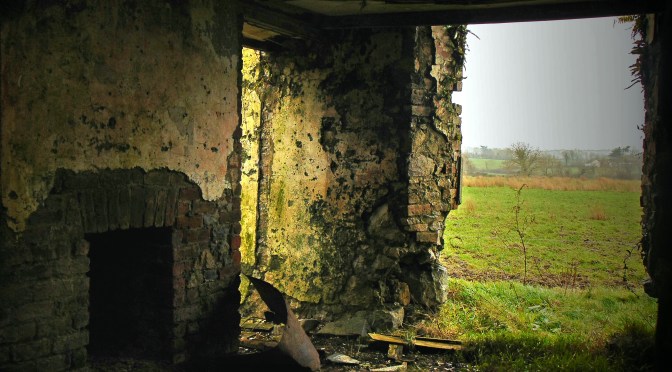
Eyon National School, Eyon townland, Co. Limerick

Eyon National School, Eyon townland, Co. Limerick

(dated 1800 – 1840)

NGR:172416, 150696

Eyon National School, Co. Limerick

Eyon National School is situated in the rolling rural landscape of northeast Limerick, just east of Brittas Bridge on the southern side of the R505. The surrounding countryside is sparsely populated today. The National Inventory of Architectural Heritage dates this school house to between 1800 and 1840. However, it does not appear on the First Edition OS sheet for the area. The building is indicated on the Second Edition Ordnance Survey sheet dating to the early years of the 20th century:
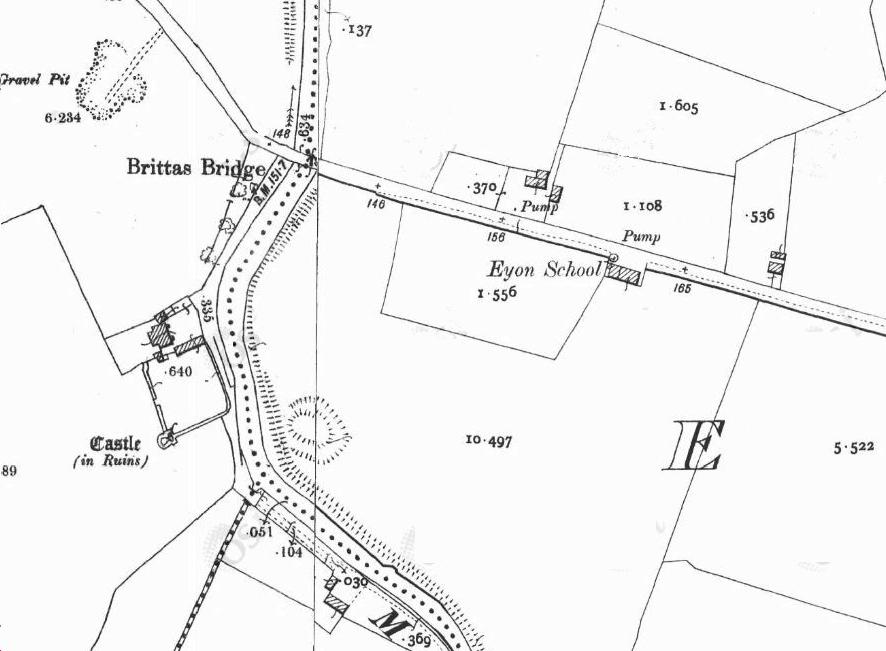
Eyon National School 2nd Edition OS Sheet

Although now in a poor state of preservation, this former school house retains its original form. Its modest design is enlivened by the use of varied material in its construction with the limestone walls contrasting with the brickwork of the window surrounds and chimneystacks. The use of these materials adds textural variation to the appearance of the building. As was common in the early nineteenth-century school buildings, there was separate entrance for girls and boys and these still remain visible today.
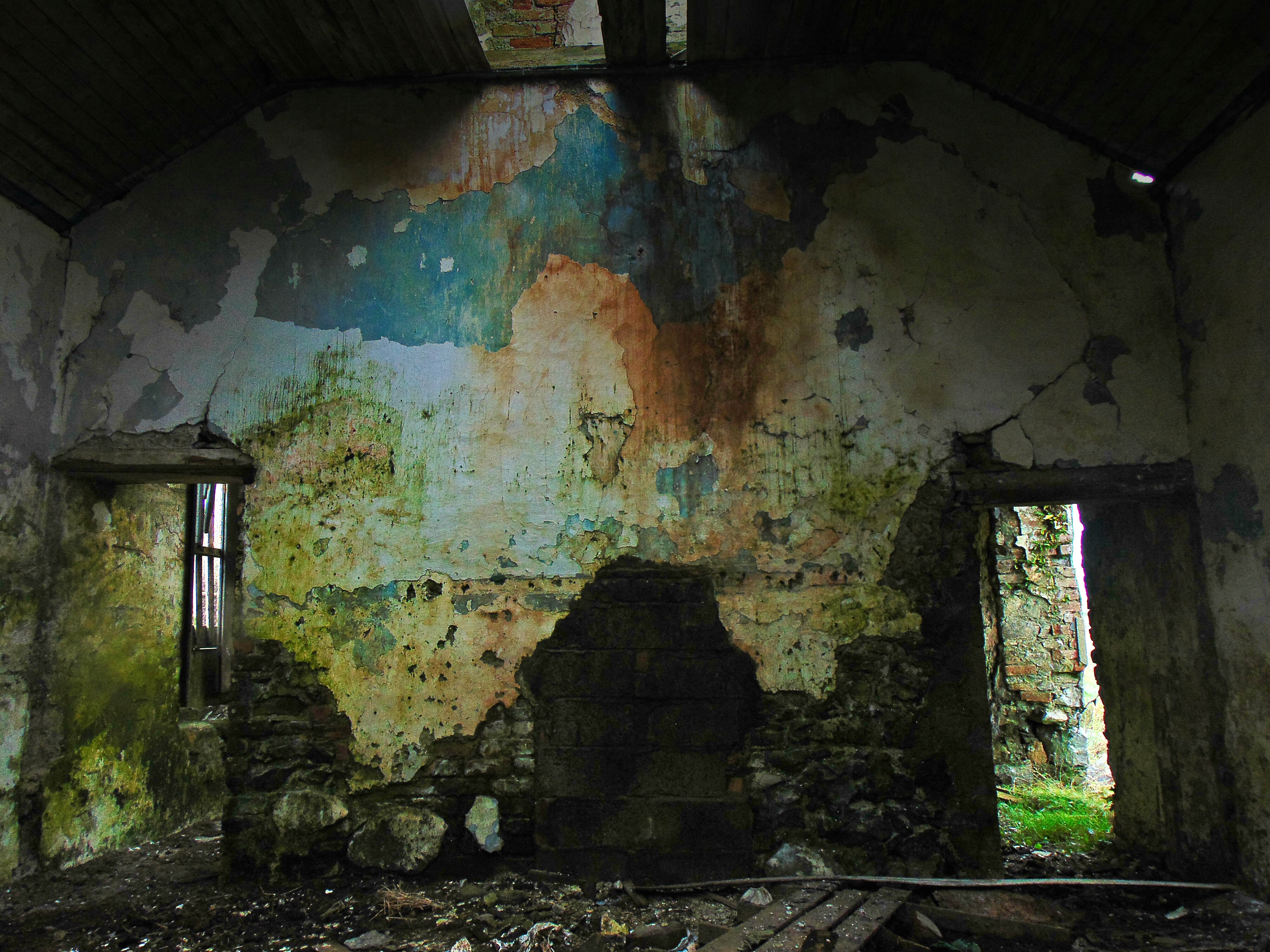
Eyon National School, Co. Limerick

Eyon National School, Co. Limerick

Continue reading Eyon National School, Eyon townland, Co. Limerick

Education is the movement from darkness into light – Allan Bloom

Porterstown National School Co. Dublin

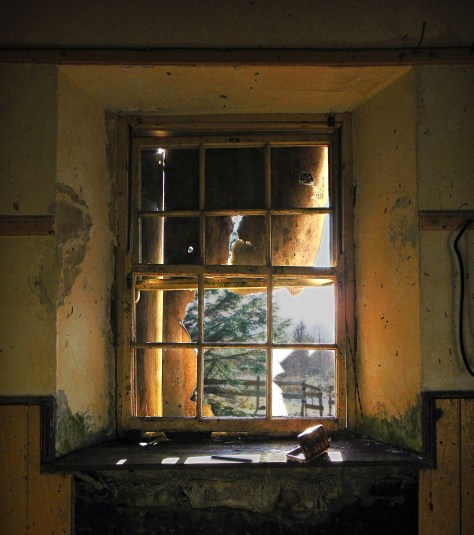
Often the easiest way to identify whether a derelict building was once a school house or not is by the presence of windows that are not characteristic of a domestic structure. Light, and allowing light into the building were practical necessities before the arrival of artificial luminescence from the electric bulb.  For reading and writing, high windows allowed the optimum amount of light into the room throughout the day. Even today, it is recognised that maximising the amount of natural light in a school building is beneficial to the learning environment.

The form, style and placement of windows vary greatly from school to school, though many early school houses reflect an ecclesiastical genesis, with high pointed windows similar to those found in a church sometimes being present. Some can be ornate and intricate, with features such as switch-line tracery. An example of this from Tubrid National School, Co. Tipperary is shown below:

Tubrid National School Co. Tipperary

Continue reading Education is the movement from darkness into light – Allan Bloom

Keeping the classroom warm during the winter months

Ballycastle National School, Co Mayo Fireplace

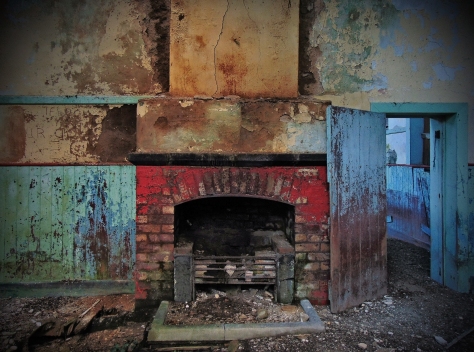
Even today with the wonders of central-heating, attending school through the cold winter months is a testing experience for many school children. Think back to what it must have been like before insulation, double glazing, and warm radiators were common place in the classroom. The fireplace is an almost ubiquitous feature in every school house built in Ireland through the 19th and into the first half of the 20th century. During this period, it was common for each classroom to have its own open fireplace to keep the classroom warm, though stoves could also be found in some schools.

Shanvaghera National School, Shanvaghera townland, Co. Mayo

As part of their contribution to the upkeep of the school, the parents of the school children were required to supply fuel through the winter months (in rural schools, this was typically peat turf) to heat the classroom as needed. Generally, the location of the fireplace at the head of the classroom meant that the teacher enjoyed the benefit of the warmth much more than the children. However, as a small comfort the fireplace was sometimes used to heat glass bottles of milk which each child often brought to school.

Loughwell National School, Co. Galway

Very often, supplying turf for the school fire amounted to the school children carrying a sod or two of turf to school each morning in winter. In some cases, each family who had children attending the school had to provide one cart-load of turf each year. When this was used, each pupil had to bring further fuel each day until the weather improved. Turf was often stored in the porches where the children’s coats hung. Continue reading Keeping the classroom warm during the winter months

Réidh Reamhar (Reyrawer) National School, Reyrawer townland, Co. Galway

Réidh Reamhar (Reyrawer) National School, Reyrawer townland, Co. Galway

(dated 1883)

NGR: 153849, 201664

Reyrawer National School. Co. Galway 1883 Window

Reyrawer (meaning thick field or mountain plain) National School is situated in the uplands of the Slieve Aughty Mountains in the parish of Peterswell (Kilthomas), south-east Co. Galway. Today, when standing in the doorway of the school house, surrounded by the coniferous forestry plantations, the elevated aspect affords excellent views of the karstic landscape of the Gort lowlands to the south. Despite the fact that the uplands are today abandoned, there are a maze of small roads and field boundaries through the forest lands and across the fresh hillside. The 1911 census shows 14 families living in the townland of Reyrawer at that time. Nonetheless there is now a great sense of emptiness in this landscape. With many of the vernacular houses of those who once lived here being swallowed up by the forestry plantation, the school building feels like the last reminder of the communities that once populated this area.

Reyrawer National School. Co. Galway 1883 Light through the Door

This is a detached one-room school house with an attached entrance hall to the south. Inside, the suspended timber floor has begun to collapse, though the pitched roof remains in good condition, with the interior remaining protected from the elements. To the rear of the main building is the former toilet block while to the west lies the cast-in situ concrete schoolyard shelter.

Reyrawer NS 25 inches to one mile c1900

Among the past pupils of the school is Patrick Glynn, member of Kilbecanty Coy. Irish Volunteers, Co. Galway, 1917-21. Glynn was born on the 17th February, 1891 at Lisbrien in the parish of Kilbecanty, Co. Galway and attended the Reyrawer National School until he was about fifteen years of age. Continue reading Réidh Reamhar (Reyrawer) National School, Reyrawer townland, Co. Galway